
2022 EVENTS FROM THE WORLD
A triumphant moment for women’s rights: Ukraine ratified the Istanbul Convention
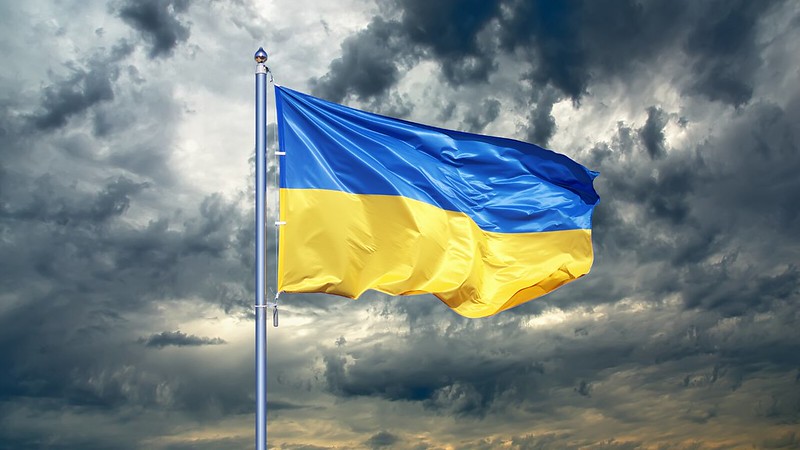
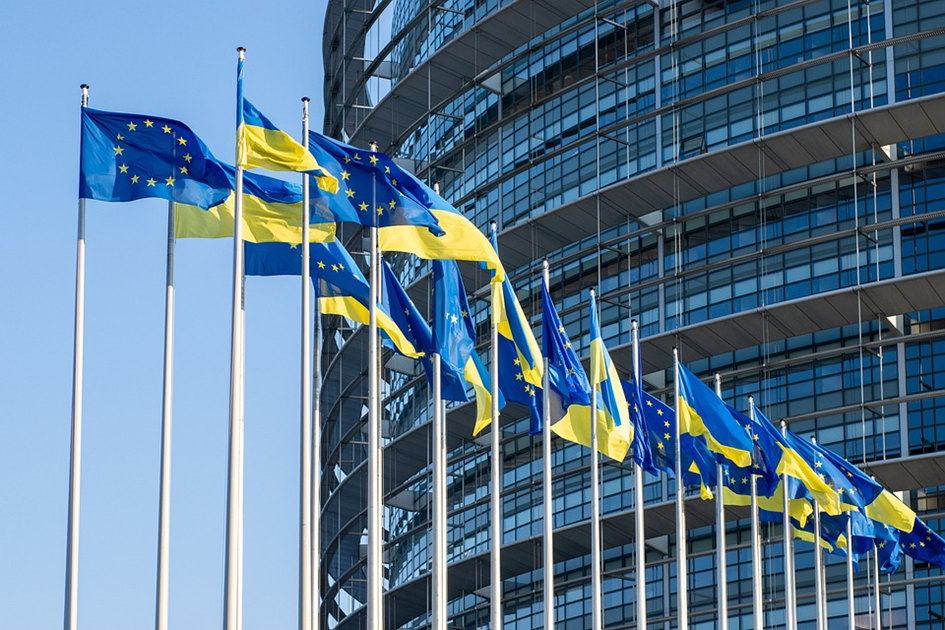
The Ukrainian parliament ratified the Istanbul Convention, which defines domestic violence and violence against women. Already in 2016, several amendments to the Criminal Code of Ukraine regarding domestic violence were adopted. Moreover, the ratification of the convention confirms Ukraine’s determination to fight and prevent gender-based violence, especially in connection with allegations of sexual crimes in the territories occupied by Russia. The rapid implementation of the convention could, among other things, facilitate the prosecution of perpetrators of war atrocities.
With the return of the Taliban to power, the right to education in Afghanistan is a distant past
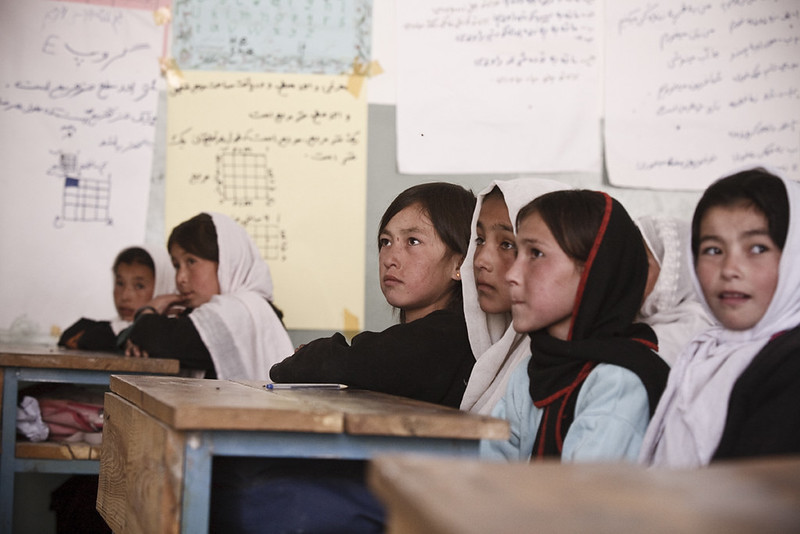
More than 300 days have passed since the ban on secondary education for Afghan girls. Despite the Taliban’s promise to reopen schools in September 2021, girls are still unable to attend classes. Human Rights Watch warns of the devastating consequences of lack of access to education. They will affect Afghan women as well as the overall future of the country. Several campaigns were launched with the aim of bringing girls back to school. However, these initiatives have not yet had tangible results.
Protests broke out in Iran after the death of a young woman. The government responds with violence
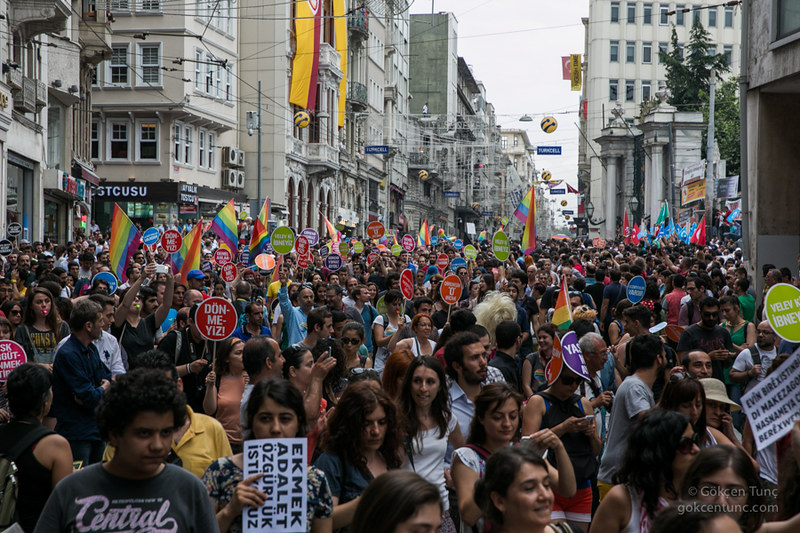
The 22-year-old Iranian Kurdish woman Mahsa Amini was arrested by the moral police because of a badly worn hijab. According to eyewitnesses, she was brutally beaten in a police car and later taken to the hospital, where she died three days later. Such incidents are common in Iran, and that is why the Iranian public has decided to take to the streets to protest against the repressive rules. However, the protests have been harshly suppressed by the government from the beginning. The security forces do not oppose practices such as the use of firearms, tear gas or water cannons. The riots have already resulted in more than 30 victims and hundreds of injured.
Perverting Justice: Russia organizes illegal trials of Ukrainian prisoners of war
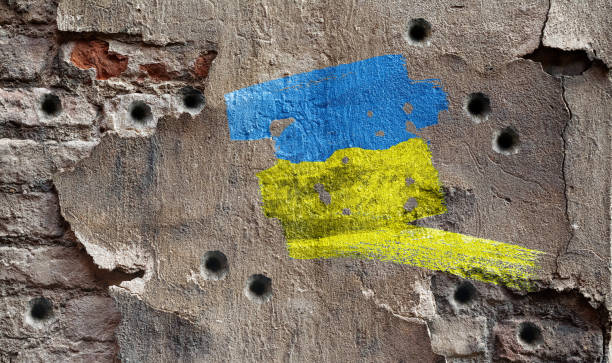
Photos were recently leaked showing makeshift cells being built by Russian forces in the Philharmonic building in Mariupol. The cells are supposed to be used to hold Ukrainian prisoners of war, who should then be tried for alleged war crimes. However, this process is illegal under international law. According to the Geneva Convention, prisoners of war can only be tried at a properly established international court. This criterion is ignored by the Russian side, and there are legitimate concerns about overlooking the principle of the presumption of innocence. The reason for this is Moscow’s accusations of allegedly rampant Nazism among the Ukrainian authorities. This is the Kremlin’s rhetoric, which is supposed to defend the necessity of the “special operation” and legitimize the trials. Violation of the right to a fair trial is nothing new in Russia, so concerns about the violation of the human rights of Ukrainian prisoners are far from irrational.
Amnesty International warns against illegal surveillance using spyware

More than 100,000 people have already signed the Amnesty International petition, which calls on the states of the United Nations (UN) to support a global moratorium against the use of spyware. Many journalists, activists and political leaders have been tracked by spyware in recent years. Attackers use spyware to monitor the victim’s activity on the Internet and the devices they use without their knowledge. The attacker can obtain information about the viewed pages, about the GPS location and in certain cases can have control over the victim’s camera or microphone. Through illegal surveillance with the help of spyware, there is a violation of the right to privacy, freedom of expression, freedom of thought, and in certain cases, also the freedom of peaceful assembly. The number of people monitored increases every year, and it is therefore necessary for the UN countries to come up with solutions aimed at protecting the rights of the inhabitants.
Access to a sustainable environment is now a human right. But what will happen next?

The United Nations General Assembly decided that access to a clean and sustainable environment is now a human right. This decision is an indicator of the importance of cooperation, which will make it possible to protect the environment and reverse climate change. However, this is far from the only planned measure. There is a belief in the relevance of the involvement of local and regional authorities, and therefore there is an effort to strengthen their position in environmental issues. The third edition of the Human Rights Handbook for regional and local authorities is also being prepared, which will focus on sustainable development and the environment.
2022 EVENTS FROM SLOVAKIA
Two people were murdered in the Tepláreň bar. The reason was their belonging to the LGBTI community
On October 12, two young people were murdered in the Tepláreň bar on Zámocká street in Bratislava. According to available sources, the reason for the attack was hatred towards the LGBTI community. Recently, we could observe a growing wave of hatred directed precisely against this community, including from political representatives. Derogatory words, stigmatizing statements, an attempt to prohibit the rainbow flag from being displayed on state institutions. All the aforementioned manifestations of intolerance, which were ignored by society for a long time, led to the murder of two innocent young people. This act, as well as all expressions of hatred towards minorities, is contrary to respect for human dignity and is therefore also a violation of human rights.
Racial discrimination persists: Counseling for civil and human rights informs about discrimination against the Roma minority
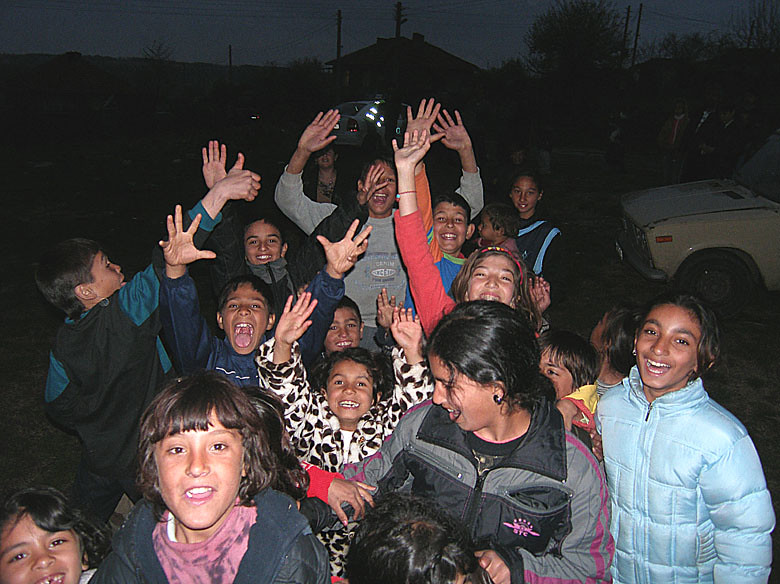
The non-governmental organization Counseling for Civil and Human Rights submitted a report to the UN Committee on the Elimination of Racial Discrimination. The organization drew attention to the ongoing discrimination of the Roma minority in Slovakia. The report cites barriers to access to justice, persistent segregation, humiliation and discriminatory treatment. Counseling for Civil and Human Rights recommended several changes that could improve the situation of the Roma.
In the European ranking of gender equality, Slovakia finished in fourth place from the end

The Gender Equality Index is published annually by the European Institute for Gender Equality (EIGE). EIGE aims to strengthen gender equality throughout the European Union. The index focuses on the differences between men and women in six basic areas – work, income, knowledge, time, power and health. In this year’s ranking, Slovakia took overall 24th place. The biggest inequality between women and men can be seen in the area of power. These are mainly decision-making positions in the political, economic and social spheres. However, Slovakia performs well in the provision of health care with a score of 96.7. Despite the partial improvement compared to 2010, Slovakia still lags behind the pan-European average.